
CLARION CALL FROM RAMLILA MAIDAN: DEVANAND SINGH
-From the stage at Ramlila Maidan, Rahul Gandhi—alongside the INDIA alliance—sought to send a new message to the nation’s political landscape. The voices raised from the platform included allegations of electoral theft, concerns regarding the independence of constitutional institutions, and a direct challenge to the Modi-led central government. Rahul Gandhi alleged that the RSS has seized control of all the country’s institutions. He asserted that democracy would not be allowed to perish, emphasizing that nothing stands above the Constitution. He stressed the need to protect the rights of all—Hindus, Muslims, Sikhs, and Christians alike—and demanded the removal of Election Commissioner Gyanesh Kumar. Rahul Gandhi even issued an open challenge to Prime Minister Narendra Modi and Home Minister Amit Shah.

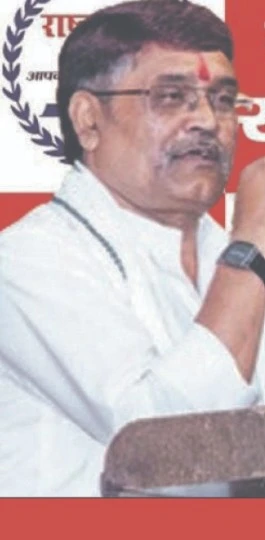
CLARION CALL FROM RAMLILA MAIDAN: DEVANAND SINGH
2-NOV-ENG 12


RAJIV NAYAN AGRAWAL
ARA-------------------------From the stage at Ramlila Maidan, Rahul Gandhi—alongside the INDIA alliance—sought to send a new message to the nation’s political landscape. The voices raised from the platform included allegations of electoral theft, concerns regarding the independence of constitutional institutions, and a direct challenge to the Modi-led central government. Rahul Gandhi alleged that the RSS has seized control of all the country’s institutions. He asserted that democracy would not be allowed to perish, emphasizing that nothing stands above the Constitution. He stressed the need to protect the rights of all—Hindus, Muslims, Sikhs, and Christians alike—and demanded the removal of Election Commissioner Gyanesh Kumar. Rahul Gandhi even issued an open challenge to Prime Minister Narendra Modi and Home Minister Amit Shah.
Mamata Banerjee declared that they had not lost, but rather had been defeated. Akhilesh Yadav described the Lok Sabha elections as merely a "trailer," promising that the "full film" would be revealed during the upcoming assembly elections. Tejashwi Yadav took a political jab by referencing the dice of Shakuni (from the Mahabharata). In essence, Ramlila Maidan became a stage for the opposition to showcase its unity and issue a clarion call for a change in power.
However, in a democracy, it is not enough to merely question the ruling party; the opposition, too, must answer questions directed at it. If votes have been stolen, what is the evidence? If there are doubts regarding the impartiality of the Election Commission, what is the constitutional mechanism to investigate them? What is the substantive basis for the demand to remove Gyanesh Kumar? Democracy is strengthened not by allegations, but by evidence and transparency.
On the other hand, the BJP and Amit Shah put the Congress in the dock by invoking the 1984 anti-Sikh riots. That dark chapter of 1984 is, undoubtedly, a stain on the nation. Yet, the question remains: can one evade the pressing issues of the present by entangling every political debate in the wounds of the past? There must be an accounting of history, but there must also be accountability for the present. In this entire sequence of events, the decision by a television channel to focus on empty spaces to gauge the size of a rally crowd raises questions about journalistic priorities. While the size of the crowd—whether large or small—might be a relevant detail, dismissing the message of a political rally solely based on the presence of empty chairs does not constitute proper journalism. Similarly, using a large crowd as a definitive certificate of public support is equally inappropriate.
The most significant question is directed at the BJP. If the government has confidence in its democratic mandate, why should it shy away from addressing the opposition's questions? Concerns raised regarding the impartiality of constitutional institutions cannot simply be dismissed by labeling them as mere political opposition.
A question also arises for the opposition: is the struggle to "save democracy" merely a campaign to oust Narendra Modi from power? Does the opposition alliance possess a coherent, shared alternative vision, policy, and program for the nation? Simply claiming "we did not lose; we were defeated" is insufficient to win the public's trust.
In a democracy, neither the Prime Minister nor any opposition leader stands above the Constitution. The ruling party must avoid arrogance, and the opposition must steer clear of opportunism. The Election Commission must demonstrate its impartiality, and the media must maintain an equidistant stance from both the ruling party and the opposition.
Remember, democracy is not the private property of any political party; it is a trust held on behalf of the people. The responsibility to safeguard it lies not only with the opposition but also with the ruling party. Asking questions is not an act of treason, and providing answers is not a sign of weakness—this, in fact, is the true strength of democracy.
It is the firm view of *Rashtra Samvad* that the nation does not need sycophancy toward those in power; it requires accountability. It does not need empty slogans from the opposition; it requires a credible alternative.
What's Your Reaction?
 Like
0
 Dislike
0
 Love
0
 Funny
0
 Wow
0
 Sad
0
 Angry
0






Comments (0)