
THE ULTIMATE FESTIVAL OF FAITH, PURITY AND NATURE WORSHIP
The grand festival of Chhath Mahaparv is being celebrated from November 13 to November 16, 2026. Today, November 15 (Sunday), marks the evening arghya ( संध्या अर्घ्य ), followed by the morning arghya and the conclusion (paran) of the fast tomorrow, November 16 (Monday).

THE ULTIMATE FESTIVAL OF FAITH, PURITY AND NATURE WORSHIP
15-NOV-ENG 1


RAJIV NAYAN AGRAWAL
BHABHUA-----------------------The grand festival of Chhath Mahaparv is being celebrated from November 13 to November 16, 2026. Today, November 15 (Sunday), marks the evening arghya ( संध्या अर्घ्य ), followed by the morning arghya and the conclusion (paran) of the fast tomorrow, November 16 (Monday).
Spanning four rigorous days, this ancient festival has transcended its regional roots in Bihar, Jharkhand, eastern Uttar Pradesh, Chhattisgarh, and the Terai regions of Nepal to become a global celebration observed across India and abroad. Chhath is much more than a religious ritual; it is a profound celebration of nature, water, solar energy, and spiritual purity.
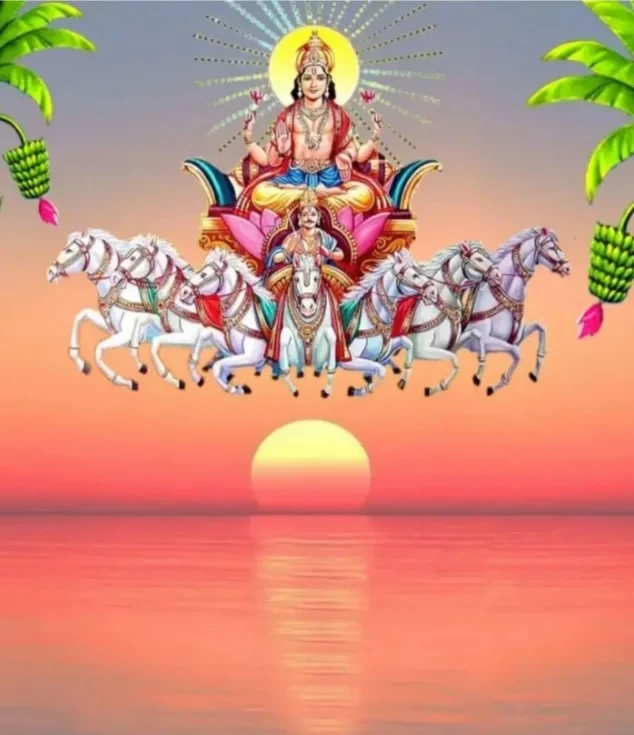
Chhath Puja is dedicated to Lord Surya (the Sun God) and Chhathi Maiya (Goddess Shashti). Scriptures and traditions recognize the sun as the fundamental source of life, light, energy, health, and sustenance. Uniquely, Chhath is the only festival where devotion is offered not just to the rising sun, but equally to the setting sun, expressing deep gratitude for every phase of nature's cycle.
Chhathi Maiya is revered as the divine protector of children, bestower of progeny, and fulfiller of earnest prayers. Devotees observe this rigorous fast to pray for the long life, good health, and prosperity of their families. Notably, the festival transcends all barriers of caste, wealth, and social status, with devotees standing side by side on riverbanks to offer their prayers.
The traditions of Chhath trace their roots back to the Vedic era, with solar hymns appearing in the Rigveda. According to legend, King Priyavrata and Queen Malini were childless until Maharishi Kashyapa performed a Putrakameshti Yajna. Although a son was born, he was stillborn, but Goddess Shashti manifested and revived the infant, initiating the tradition of worship on the sixth day of the bright fortnight of Kartik.
Further enrichment comes from epics and lore: the sun-worshipping warrior Karna offered daily prayers from water bodies; Draupadi observed the fast for the protection and restoration of the Pandavas' kingdom; and Lord Rama and Sita performed solar worship upon returning to Ayodhya after exile, cementing a heritage thousands of years old.
The festival follows a strict 4-day structural timeline:
Day 1 (November 13, Friday - Nahay-Khay): Devotees take a ritual bath in holy rivers, ponds, or water mixed with Gangajal. Homes are thoroughly cleaned, and a pure vegetarian meal featuring bottle gourd (kaddu), chana dal, and arwa rice is consumed. Garlic, onions, and non-vegetarian food are strictly prohibited.
Day 2 (November 14, Saturday - Kharna / Lohanda): Devotees observe a daylong fast. In the evening, jaggery kheer, rotis, and bananas are prepared on an earthen stove as offerings. After partaking in the prasad, devotees begin a continuous 36-hour dry fast (nirjala vrat) that remains unbroken until the final morning prayers.
Day 3 (November 15, Sunday - Sandhya Arghya): Devotees remain without food and water through the day. In the evening, bamboo baskets (soop/dala) filled with thekua, seasonal fruits, coconuts, sugarcane, bananas, ginger, and turmeric are carried to water bodies. Worshippers stand waist-deep in water to offer milk and water to the setting sun while singing traditional folk songs.
Day 4 (November 16, Monday - Usha Arghya and Paran): The final day involves offering prayers to the rising sun at dawn, following which the rigorous fast is concluded.
The festival demands uncompromising standards of cleanliness: prasad is prepared on new earthen stoves using mango wood without salt, garlic, or onion. The 36-hour dry fast is considered one of the toughest spiritual disciplines, accompanied by vows of restraint, patience, and complete purity.
Beyond its spiritual dimension, Chhath conveys a powerful environmental and social message. By worshipping the sun, water, soil, crops, and air, it reminds humanity that life is incomplete without nature. From bustling riverbanks in Bihar to temporary water bodies in Delhi, Mumbai, Kolkata, and international shores, millions gather in harmony, proving that Chhath remains an eternal symbol of faith, discipline, and profound gratitude toward the earth.
What's Your Reaction?
 Like
0
 Dislike
0
 Love
0
 Funny
0
 Wow
0
 Sad
0
 Angry
0














Comments (0)