
FIVE DAYS OF DIWALI AND THEIR ASSOCIATED RELIGIOUS TRADITIONS: MAHENDRA TIWARI
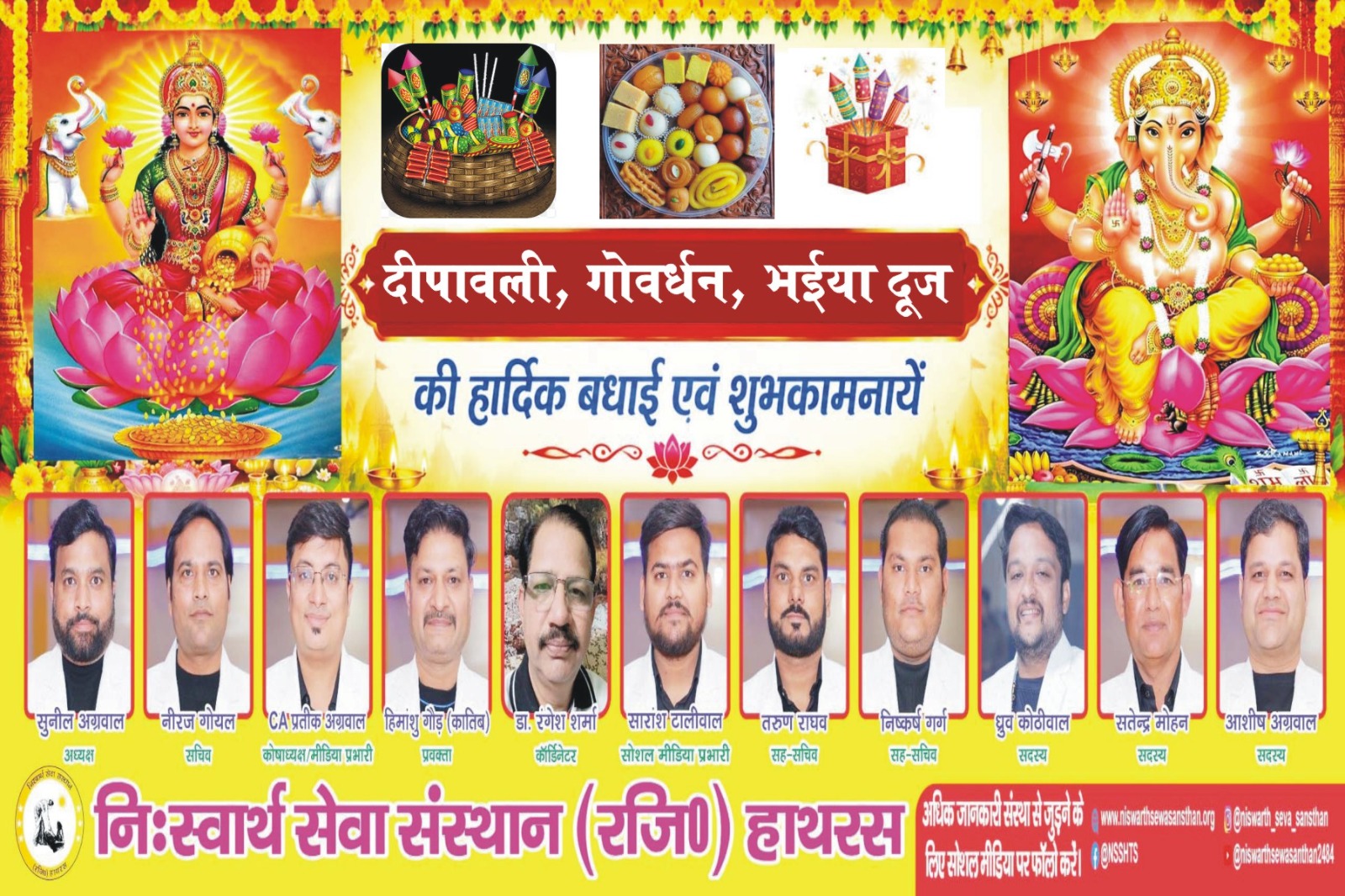
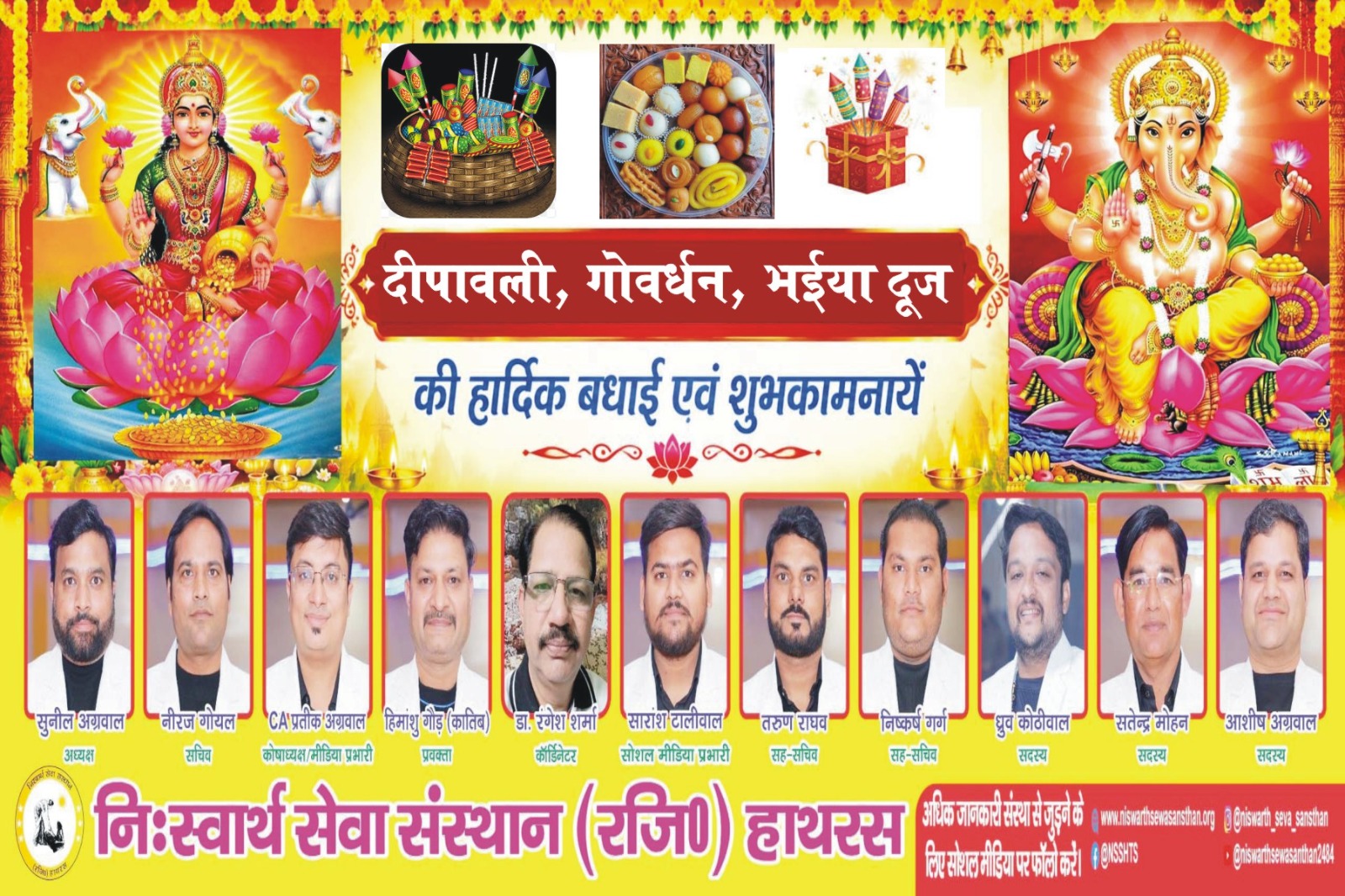
-The five days of Diwali and their associated religious traditions are an integral part of Indian culture. In Indian culture, Diwali is not merely a one-day festival; rather, it is a grand, five-day celebration of faith, joy, tradition, and familial unity. Spanning from Dhanteras to Bhai Dooj, this festival conveys a message of happiness, prosperity, health, love, and positivity in life. Each of these five days holds its own unique religious and cultural significance.


FIVE DAYS OF DIWALI AND THEIR ASSOCIATED RELIGIOUS TRADITIONS: MAHENDRA TIWARI
9-NOV-ENG 6


RAJIV NAYAN AGRAWAL
ARA----------------------------The five days of Diwali and their associated religious traditions are an integral part of Indian culture. In Indian culture, Diwali is not merely a one-day festival; rather, it is a grand, five-day celebration of faith, joy, tradition, and familial unity. Spanning from Dhanteras to Bhai Dooj, this festival conveys a message of happiness, prosperity, health, love, and positivity in life. Each of these five days holds its own unique religious and cultural significance.
The Diwali festivities begin with Dhanteras. In 2026, Dhanteras will be celebrated on Friday, November 6th. On this day, Lord Dhanvantari, Goddess Lakshmi, and Lord Kubera are worshipped. It is believed that lighting thirteen earthen lamps (diyas) on this day brings happiness and prosperity into the home.
Following Dhanteras is Narak Chaturdashi, also known as 'Chhoti Diwali' (Small Diwali), which will be celebrated on Sunday, November 8th. There is a tradition of lighting fourteen lamps on this day. According to religious lore, Lord Krishna defeated the demon Narakasura; this festival serves as a reminder that truth and righteousness (dharma) ultimately triumph.
The main festival of Diwali will be celebrated on November 8th. The auspicious time (muhurta) for the worship of Goddess Lakshmi and Lord Ganesha is from 5:54 PM to 7:50 PM. It is customary to light twenty-one lamps on the night of Diwali, placing them at the main entrance, in the courtyard, near the sacred Tulsi plant, and at the place of worship.
The day after Diwali, Govardhan Puja will be observed on November 10th, with a tradition of lighting eleven lamps. Govardhan Puja honors Lord Krishna, who lifted Mount Govardhan on his little finger to protect the people of Braj. This festival serves as an occasion to express gratitude toward nature and the environment.
Finally, the festival of Bhai Dooj celebrates the bond of affection between brothers and sisters. On this day, sisters apply a *tilak* to their brothers' foreheads. According to religious belief, Yamraj once visited the home of his sister, Yamuna. There is also a tradition of lighting five lamps on this day. This festival reflects the sense of responsibility one holds toward family relationships.
During the occasion of Diwali, there is also a folk tradition of preparing a 'bundle of prosperity' (*dhan ki potli*), which contains yellow mustard seeds, cardamom, cloves, camphor, and a coin. Ultimately, the significance of Diwali lies not merely in lighting lamps, but in dispelling the darkness within oneself and spreading the light of love. The core message of these five festivals is to bring positivity and harmony into our lives. Diwali serves as a reminder of the importance of human empathy and cooperation.
What's Your Reaction?
 Like
0
 Dislike
0
 Love
0
 Funny
0
 Wow
0
 Sad
0
 Angry
0








Comments (0)