
CHINESE LIGHTS CAST A SHADOW OVER TRADITIONAL POTTERS
As Diwali approaches, traditional potters, popularly known as Kumhars, are facing a serious economic challenge due to the growing popularity of inexpensive Chinese decorative lights. The increasing use of colourful electric lights and modern decorative items has significantly affected the demand for traditional earthen lamps (mitti ke diye), leaving many potters struggling to sustain their livelihoods.

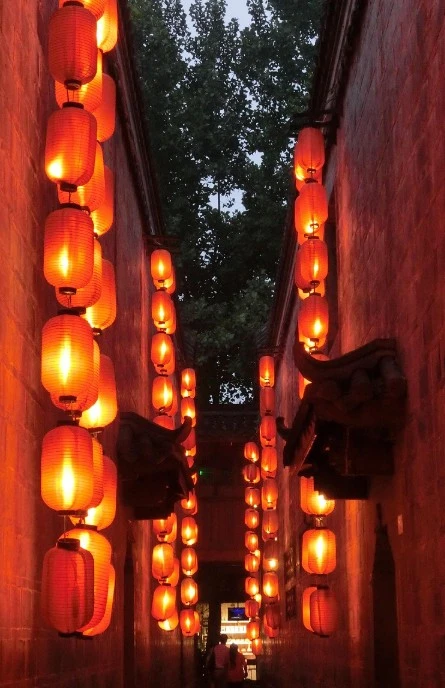
CHINESE LIGHTS CAST A SHADOW OVER TRADITIONAL POTTERS
1-NOV-ENG 11


RAJIV NAYAN AGRAWAL
ARA----------------------------As Diwali approaches, traditional potters, popularly known as Kumhars, are facing a serious economic challenge due to the growing popularity of inexpensive Chinese decorative lights. The increasing use of colourful electric lights and modern decorative items has significantly affected the demand for traditional earthen lamps (mitti ke diye), leaving many potters struggling to sustain their livelihoods.
Diwali has traditionally been one of the most profitable seasons for potter families, who spend weeks preparing thousands of earthen lamps in the hope of earning a substantial income. However, changing consumer preferences and the widespread availability of cheap decorative lighting have reduced their sales considerably.
For generations, potters have played an important role in preserving India's cultural traditions by making earthen lamps, which are an integral part of Diwali celebrations. But today, their traditional craft is facing growing competition from factory-produced decorative products.
The declining demand has created financial difficulties for these artisans, many of whom depend on seasonal sales to support their families. Despite investing considerable time, labour and money in preparing their products, they are finding it increasingly difficult to recover their costs.
Potters believe that greater public awareness and support for locally made products could help revive their traditional occupation. They have appealed to people to prefer indigenous earthen lamps over imported decorative lights and contribute to the protection of traditional craftsmanship.
The situation has also raised concerns about the survival of generations-old pottery skills. Artisans say that celebrating Diwali with traditional earthen lamps would not only preserve the cultural significance of the festival but also provide much-needed financial support to local potter communities.
As the festival of lights draws closer, the challenge is to ensure that the traditional diyas of Indian artisans do not lose their place amid the growing glow of modern decorative lights.
What's Your Reaction?
 Like
0
 Dislike
0
 Love
0
 Funny
0
 Wow
0
 Sad
0
 Angry
0










Comments (0)