
STRICTER VEHICLE INSURANCE NORMS ON THE HORIZON
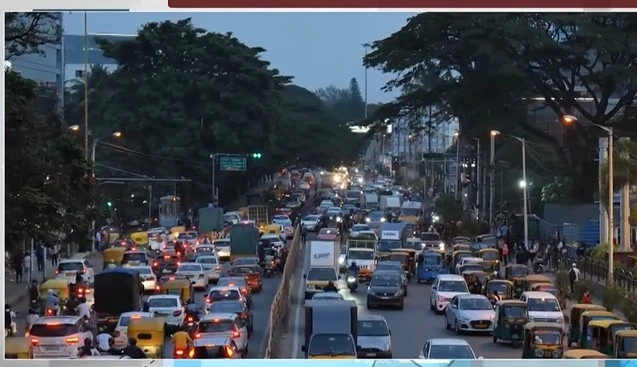
Car and two-wheeler owners across the country could soon face a major shift in motor insurance compliance, as policymakers weigh a set of proposals aimed at curbing the large number of uninsured vehicles on Indian roads. Among the most consequential ideas under consideration is restricting the sale of petrol and diesel to vehicles lacking valid insurance, alongside linking insurance premiums directly to a driver's traffic violation record. While officials have emphasized that these measures remain at the proposal stage and await a final decision, the blueprint signals a tech-driven push toward stricter road safety and financial accountability.

STRICTER VEHICLE INSURANCE NORMS ON THE HORIZON
29-NOV-ENG 2
RAJIV NAYAN AGRAWAL
DELHI-------------------------Car and two-wheeler owners across the country could soon face a major shift in motor insurance compliance, as policymakers weigh a set of proposals aimed at curbing the large number of uninsured vehicles on Indian roads. Among the most consequential ideas under consideration is restricting the sale of petrol and diesel to vehicles lacking valid insurance, alongside linking insurance premiums directly to a driver's traffic violation record. While officials have emphasized that these measures remain at the proposal stage and await a final decision, the blueprint signals a tech-driven push toward stricter road safety and financial accountability.
A centerpiece of the proposed framework is cutting off fuel access to non-compliant vehicles at refueling stations. Under this plan, vehicles without valid insurance coverage could be denied petrol and diesel. To test the feasibility of real-time enforcement without causing manual bottlenecks at fuel stations, a pilot project is planned across five petrol pumps each in Haryana and Uttar Pradesh.
These pilot outlets will deploy Automatic Number Plate Recognition (ANPR) cameras designed to automatically scan vehicle registration plates as they pull in, cross-checking their insurance validity against central databases in real time.
In addition to stricter point-of-sale checks, the proposals seek to align insurance pricing more closely with on-road discipline. Under the contemplated rules, insurance providers could evaluate an applicant’s history of traffic violations over the preceding year before calculating renewal premiums.
Motorists with repeated traffic infractions would face steeper insurance premiums as a financial deterrent.
Conversely, law-abiding drivers with clean records could benefit from lower rates, rewarding safer road behavior.
Recognizing that missed renewals often stem from administrative oversight rather than deliberate evasion, authorities are also exploring longer policy durations. Proposals under review include introducing four-year insurance policies for private cars and six-year policies for two-wheelers. By extending coverage windows, the measure aims to reduce the recurring hassle of annual renewals and ensure uninterrupted protection for both vehicle owners and third-party road users.
The push for automated enforcement and structural reform comes amid persistent gaps in motor insurance compliance. According to cited figures, roughly 25 crore vehicles in the country currently hold valid insurance policies, yet a substantial number of cars and two-wheelers continue to ply the roads without any active cover—leaving accident victims and vehicle owners exposed to severe financial risk.
If approved and rolled out nationwide following pilot assessments, the combination of camera-backed fuel checks, behavior-linked pricing, and multi-year policies could fundamentally reshape how Indian motorists maintain and renew their vehicle insurance.
What's Your Reaction?
 Like
0
 Dislike
0
 Love
0
 Funny
0
 Wow
0
 Sad
0
 Angry
0












Comments (0)