
YOUR OLD MOBILKE PHONE COULD BECOME A CYBERCRIMINAL’S WEAPON
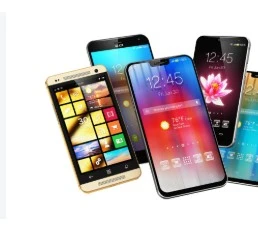
An old or damaged mobile phone lying unused in a household may appear to be nothing more than electronic waste. However, it could contain valuable personal information that, if accessed by the wrong hands, may expose its previous owner to identity theft, financial fraud and other cybercrimes.

YOUR OLD MOBILKE PHONE COULD BECOME A CYBERCRIMINAL’S WEAPON


18-NOV-ENG 5
RAJIV NAYAN AGRAWAL
ARA---------------------------An old or damaged mobile phone lying unused in a household may appear to be nothing more than electronic waste. However, it could contain valuable personal information that, if accessed by the wrong hands, may expose its previous owner to identity theft, financial fraud and other cybercrimes.
A recent report has drawn attention to a potentially dangerous network involving the collection of old and discarded mobile phones from rural areas and their alleged movement across international borders, including Nepal and Bangladesh. The report warns that these devices may be targeted for the recovery and misuse of sensitive personal information stored in their internal memory and electronic components.
According to the report, scrap dealers, itinerant buyers and local peddlers are reportedly visiting villages and purchasing old, broken or unused mobile phones from residents for nominal amounts.
Many people willingly hand over their discarded devices without considering the sensitive information that may remain stored inside them. These phones may have previously been used for online banking, UPI transactions, Aadhaar-related services, personal communication and the storage of private photographs and documents.
The report raises concerns that some collected devices may subsequently enter illegal supply channels and be transported across borders into neighbouring countries such as Nepal and Bangladesh. However, the alleged international trafficking network and its activities require independent verification by law enforcement agencies.
Cybersecurity concerns surrounding discarded mobile phones are not imaginary. Even when a device is no longer functional or its screen is damaged, its internal storage components may still contain recoverable information.
Depending on the phone's technology, storage condition and previous data-erasure practices, specialised forensic techniques may sometimes recover residual information from internal memory chips.
The information potentially at risk includes:
· Personal photographs and videos.
· Contact numbers, email addresses and communication records.
· Copies of Aadhaar and PAN cards or other identity documents.
· Banking-related information and financial transaction records.
· Saved documents, passwords and other confidential files.
If such information falls into criminal hands, it could potentially be exploited for impersonation, identity theft, targeted phishing, fraudulent financial activities and other forms of cybercrime.
One of the most important warnings highlighted in the report concerns the common practice of simply deleting photographs, documents and applications before selling an old smartphone.
Many users believe that deleting files or performing a factory reset automatically removes every trace of their personal information. However, data recovery risks depend on the device's operating system, storage technology, encryption and the method used to erase information.
Modern smartphones generally offer stronger protection through encryption and secure reset mechanisms, but improperly handled devices may still present privacy risks.
Therefore, users should follow the manufacturer's recommended procedures for securely erasing their devices rather than relying only on ordinary file deletion.
The danger deserves particular attention because smartphones have become central to everyday financial activities.
People routinely use mobile phones for UPI payments, internet banking, digital wallets, email accounts and access to government services. Devices may also contain photographs of identity documents, financial correspondence and other personal records.
If an old phone is handed over without proper preparation, the previous owner could potentially face privacy violations or attempts at financial fraud.
Citizens should never share their banking PINs, OTPs, passwords or account credentials with scrap dealers or unknown mobile-phone buyers.
Cybersecurity awareness is the first line of defence. Before handing over an old smartphone, users should take the following precautions:
Transfer essential photographs, contacts and documents to a secure location.
Take out the SIM card and any removable microSD card before handing over the device.
Remove Google, Apple and other personal accounts according to the manufacturer's instructions.
Use the official reset procedure recommended for the device. Ensure that device encryption and secure erasure protections are properly applied.
Where possible, confirm that the device has returned to its initial setup screen and no personal accounts or information remain accessible.
Prefer recognised electronic-waste collection centres, authorised recyclers or verified exchange programmes rather than unknown door-to-door buyers.
For phones containing particularly sensitive information, professional data-erasure or certified electronic-waste disposal services may provide additional assurance.
The reported collection and possible cross-border movement of discarded mobile phones call for greater public awareness and appropriate investigation.
Local administrations, police departments and cybercrime units should examine any credible evidence of organised illegal collection or trafficking of electronic devices. At the same time, authorised electronic-waste recycling channels need to be strengthened so that discarded phones are handled responsibly.
Rural households, in particular, should be made aware that even a broken smartphone can contain valuable personal information. Awareness campaigns through Panchayats, schools and local community organisations could help prevent people from unknowingly exposing themselves to cybercrime.
In today's digital age, a mobile phone is much more than a communication device. It is a repository of personal identity, financial activities, photographs and private information.
Selling an old smartphone for a few rupees without properly erasing its contents could create problems that last far longer than the value received from the sale.
The central message is simple: never treat an old mobile phone as ordinary scrap until its data has been securely erased. A little caution before disposal can protect years of personal information and prevent criminals from turning discarded technology into a potential weapon against its former owner.
What's Your Reaction?
 Like
0
 Dislike
0
 Love
0
 Funny
0
 Wow
0
 Sad
0
 Angry
0













Comments (0)