
SCHOLARLY DISCUSSION LINKS CHHATH PUJA TO SHRAMAN TRADITION
A recent interview and historical discussion featuring socio-political and religious thinker Professor Dr. Vijay Kushwaha has brought a fresh perspective and debate regarding the origins and cultural significance of Chhath Puja, one of Bihar's most prominent festivals.

SCHOLARLY DISCUSSION LINKS CHHATH PUJA TO SHRAMAN TRADITION
11-NOV-ENG 2


RAJIV NAYAN AGRAWAL
PATNA------------------------A recent interview and historical discussion featuring socio-political and religious thinker Professor Dr. Vijay Kushwaha has brought a fresh perspective and debate regarding the origins and cultural significance of Chhath Puja, one of Bihar's most prominent festivals
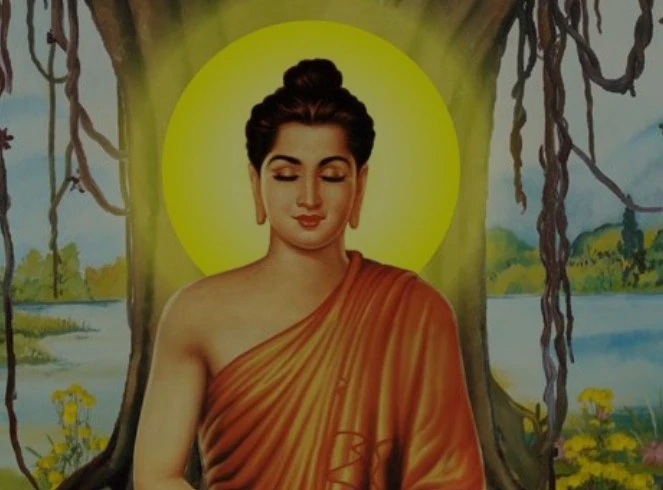
In a conversation with journalist Kumar Ravindra on KR News Today, Dr. Kushwaha posited that Chhath Puja exhibits profound roots in the ancient Shramana (Buddhist) tradition rather than traditional Vedic-Brahminic frameworks
Unlike many festivals heavily influenced by caste hierarchies and ritual purity norms, Dr. Kushwaha emphasized that Chhath transcends caste, class, and social divisions. People from all walks of life collectively clean water bodies, ghats, and streets without prejudice, embodying a spirit of absolute equality.
The discussion highlighted various ritual elements—such as the use of specific symbols, offerings made in pure ghee, and collective communal sharing reminiscent of Buddhist Sangh practices—as indicators of historical Shramana influence.
Dr. Kushwaha suggested a symbolic linkage between "Chhathi Maiya" and Queen Mahamaya, the mother of Siddhartha Gautama (Lord Buddha), proposing that expressions of reverence during the festival serve as a historical tribute to maternal sacrifice and greatness.
Centered around nature, water sources, and the sun, the festival inherently reflects the agrarian values and sustainability prioritized during the ancient period
While traditional interpretations attribute Chhath primarily to solar worship and Vedic rituals, such cultural analyses invite broader academic and public discourse on the folk traditions and historical evolution of India's indigenous festivals
What's Your Reaction?
 Like
0
 Dislike
0
 Love
0
 Funny
0
 Wow
0
 Sad
0
 Angry
0





Comments (0)